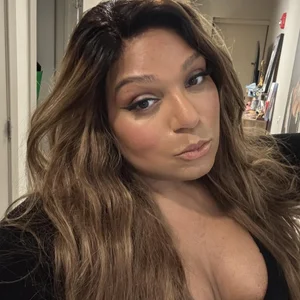
The crown, the crown haters, and the sisterhood zhané dawlingz wiley found anyway
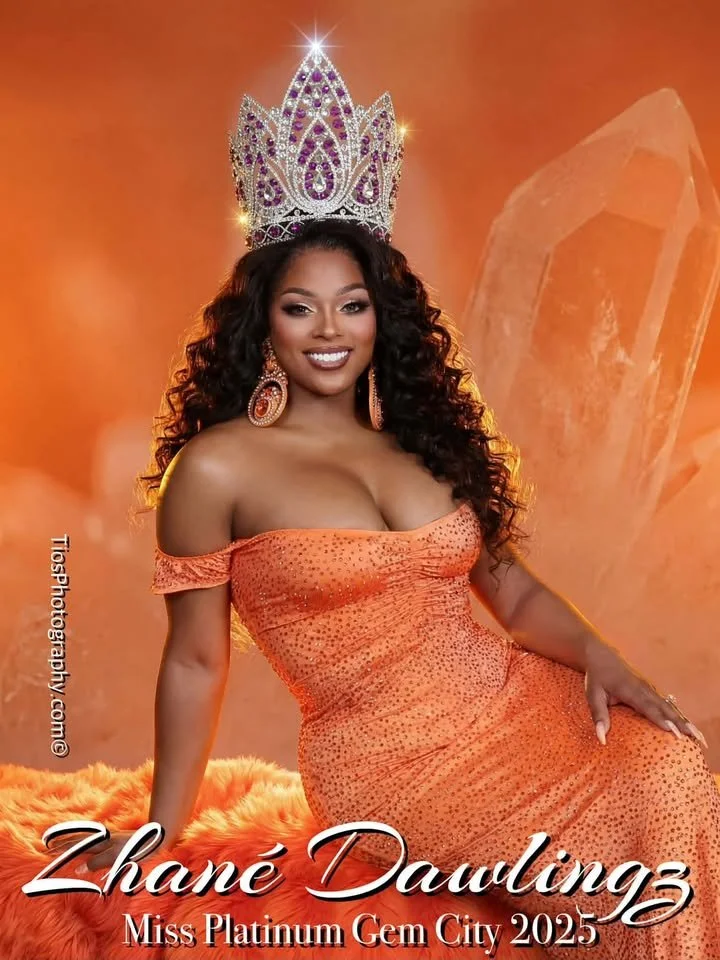
Miss Continental ‘24 Zhané Dawlingz Wiley (Tios Photography)
There's a small, specific club of women who can say they won Miss Continental on the very first try. history puts that number somewhere in the single digits.
Zhané Dawlingz Wiley is one of them.
She walked in to learn the system and walked out with the crown. but that win didn’t stop her: earlier this year, she took first runner-up at miss International Queen USA . She returned home not just with a sash but real friendships, a viral costume she sewed herself, and the reminder that the path in life may be riddled with hope and despair, but it
Marie-Adélina de la Ferrière: You won Miss Continental on your very first try, something only a handful of queens have ever pulled off. Does winning land differently when you haven't had years to brace for it?
Zhané Dawlingz Wiley: It definitely hit like a ton of bricks. Preparing for such a prestigious contest, I told myself the only way I would thoroughly be prepared is if I actually went and participated, and let myself understand what I was applying for and getting myself into. Once I was fortunate enough to have the crown placed on my head, it was like, "Okay, I have to live up to the examples that I've been so inspired by,” and at the same time, be able to call them my sister. We now share something that only 45, going into 47, of us will ever be able to say we've had. I'm very grateful to be one of five to have won on the first time. It comes with a lot of dignity, and a lot of comfort within myself, because it's like: I did what I needed to do to learn, I did what I needed to do to apply. I thoroughly enjoyed the journey getting there. I was just fortunate not to have to extend it like many others.
You've also been candid that the reign came with backlash, the negativity, even social media drama. What did wearing that crown cost you, and what did it give back?
It came with its pros and cons. The social media harassment — because that's what it was — was quite overwhelming. There was really one person in particular who found it okay to attack not just me, but other members of my court, and my partner at the time. It was a lot to embrace, because I've always been a public figure, always been a voice for others who couldn't speak for themselves — but I didn't have a lot of experience being that publicly attacked. At first, I thought I'd just block it and remove it. But that individual found their way onto other platforms and kept going. It was a lot.
On the flip side, being in the audience, watching contests, and communing with the people, I couldn't have asked for a better introduction into this world. Continental is the prestigious one; in the lineage of systems, it really falls second only to Miss America in importance to the community. Stepping onto that platform and being able to say "yes, I did it, yes, I'm here, yes, I'm ready.” I felt very received and appreciated by my peers, because I wasn't just sitting up there being untouchable. I was out talking to people, networking, figuring out who wanted prelims, setting myself up for what came after my reign.
We've talked before about how online harassment toward Black trans women gets handled — or not handled — differently on these platforms than it does for other groups. Why do you think this person felt so comfortable following you across platforms to keep it up?
In my mind, it could only be jealousy or some kind of intimidation. This individual saw something in me that they clearly can't take. I genuinely don't think my mental state is built to comprehend having that much time in the day to intentionally speak negatively about another human being. I'm an extremely positive person. I believe you get what you give, and that karma works in two seconds. I've seen it happen. I always find that people who have the patience to do that need to take a minute and look within themselves. I'm the type of person where if you have something negative to say about me, I will come to you directly. I did that. Multiple people from my camp reached out to this person. And it was just: "Girl, you still finding it in your energy to want to be such a negative Nancy. You're going to have to do some soul-searching."
Earlier this year, you took first runner-up at Miss International Queen USA. What pulled you back into the arena to compete again?
I love competing. I love putting myself out there in the public eye. Not necessarily to receive critiques, but to showcase my best self. I was very fortunate to walk away from that experience the most decorated. I won National Costume, which was actually a fast-track into the top 15, and I tied for Evening Gown with Lo Colby, the eventual winner. That was amazing for me, because I made both my gown and my national costume myself — my evening gown was pieced together in part from LEGO panels — and having my garment stand next to and be just as appreciated as a piece made by a professional Vietnamese designer was huge. Even though I didn't walk away with the crown, I walked away knowing what I produced for myself, by myself, was acknowledged, appreciated, and won for. That's a big part of why I love competing, as a designer and a seamstress — I love creating wearable art and seeing it stand in line with everybody else's and hold its own.
You left that stage not just with accolades, but with real sisterhood. You, Lo Colby, and second runner-up Zienna Morales came out of that week as friends, not just rivals. What does sisterhood look like inside a competition built to crown only one of you?
It's amazing. After it was over, I actually had to take an entire day just to process my emotions, because being surrounded by women that assured in who they are and what they have to offer was so revitalizing for my spirit. Every single girl was amazing, every activity was full of so much fun and so much love and light that by the time we got to the actual competition. Everything was moving so fast you were kind of floating. It really made you feel: this is where I'm supposed to be, these are the people I'm supposed to be with. By the time it came down to crowning, whether it was going to be me or Lo, I already knew whoever got that crown was going to do what needed to be done, because we'd already watched each other handle pressure, handle straps breaking, handle everything. It was really, truly beautiful.
One initiative that came out of this experience is Outshine Spotlight, which you launched with Low to strengthen trans excellence on a global scale. Where did this idea come from, and why was this the moment to build something together instead of just competing against each other?
[Miss International Queen USA] introduced it to us on our first night there, and it's meant to be a reliable resource for people who aren't necessarily the most efficient at interviewing or answering questions under pressure. I used it constantly, honestly, because our schedule was down to the second. I'd check in and think through: how could I say something without saying it this way? How do I give an answer with more context, something more solidified? And, yes, it's available to everyone, not just MIQ contestants. All the dolls, all the people of the world, can use it now.
Pageantry has long been one of the few places trans women get to be celebrated when the wider world wouldn't celebrate us. What does it mean to turn that platform outward, to make the spotlight a structure people can stand on, and not just a single moment?
For me, it starts with the work you do within yourself. Until we as trans individuals are able to find comfort in who we are, we can't fully offer our best selves to the world. Taking something from being just a moment to being a platform others can be part of means digging into the history, understanding why things happened, and figuring out where to go next. Because you can plant a seed, but if you don't nurture it, water it, give it sunlight, and support as it grows, whoever comes after you is standing on ground that could cave in. That's the beauty of what pageantry does for trans women: it gives us a community where we share our backstories, our triumphs, our tragedies, and we learn from each other to make our own paths more whole, more real. People ask, "Are trans people people?" And when you hear what these women have gone through, you're not going to tell me this isn't a real person. What they're doing is creating milestones so the next person can say, "you did that, now tell me what you learned so I don't have to go there too."
Sasha Colby went from Continental to Drag Race to touring the world on her own terms. Do you see a road like that for yourself, or are you drawing a different map?
I definitely see that being my road. I come from entertainment at my core, so having access to travel, to influence, to leave my art in different parts of the world and the country — that's where my journey is going. Do I see myself eventually stepping onto Drag Race? I've always aspired to be part of something in television, to be on Broadway, to be in a movie. Those things have always existed in my mind. I use Sasha as inspiration: she's doing it, she looks good, she's traveling the world, and I want that too. But I have to lay my foundations first. When that path gets here, and I hit it, I have to make sure I don't forget how I got there. Because knowing how I got there is what keeps me there. There are only three living people who can say they won Continental on their first try. I've already differentiated my journey. That's something I can always pull out of my pocket, but I don't want it to be the only thing. I just want it to be the first thing. And it will always be the first thing.
For me, it's always about the power of storytelling. What do you want a young Black trans girl in Columbus, or anywhere, to take from your story?
First and foremost: you must believe in yourself. I'm currently in a major shift in my life where I have to become more reliant on what I have to offer — my talents, my truth, my abilities. And I would never say I speak from a place of privilege, because I did the work to become who I am. But no world, no journey, is too difficult to overcome. Everybody's experience is different, but if you believe what you're doing is right for you, no one can tell you otherwise. Believe in yourself, trust your instincts, and know that what God gave you will exist as long as you foster and take care of what's important. For me, that's my mental health first. My physical, absolutely; as a cosmetologist, I take a lot of pride in that. But those things can all change: mentally, physically, spiritually. All of life changes. You just have to believe that what you're changing into is for the greater good, and it's the best version of you to provide and to be.